Nineteenth century philosopher Henry David Thoreau once wrote: “The cost of a thing is the amount of life which is required to be exchanged for it.” This observation now applies to most Americans in 2026 who are working harder than ever to pay for daily items such as groceries, gas, utilities and health insurance. Affordability is the No. 1 issue among voters before November’s critical midterm elections where the balance of power between Democrats and Republicans in Congress is truly a toss-up.
Lawmakers and the Trump administration have taken notice and spent the past six months claiming various “wins” and accusing the other side of driving up the price of daily goods. During a time of extreme partisanship where each party is looking for a slight edge with voters (particularly with independents and the undecided), housing policy is an area in which bipartisanship has emerged and strange bedfellows are the norm.
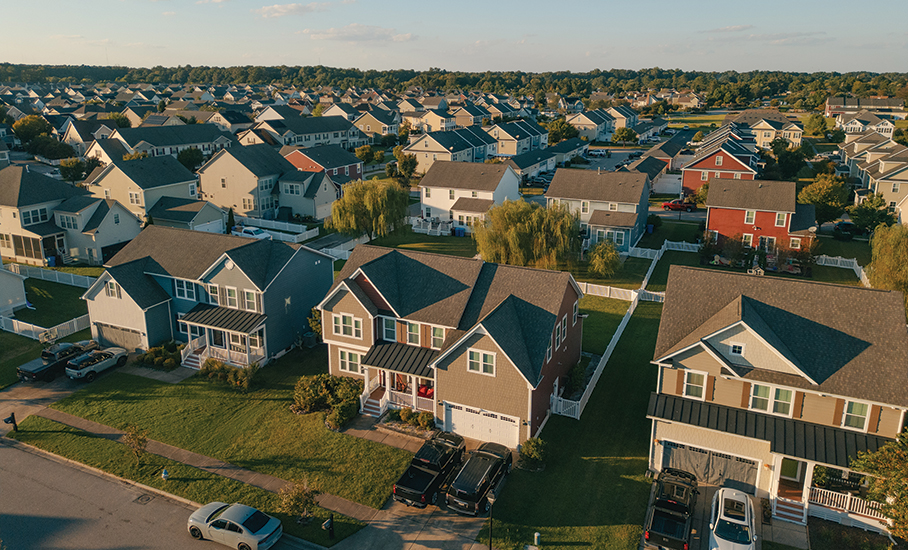
NRCA has long understood the importance of having an abundance of safe, accessible housing. Given the current political climate, NRCA sensed an opportunity to help shape a budding policy effort that will have real impact on its members and the roofing industry.
Where does NRCA fit in?
There is a significant amount of work to be done to meet the country’s shortage of about 1.5 million new housing units needed each year. Therefore, it is critical for the roofing industry to engage government entities when possible. Roofing is an essential $100 billion sector with nearly 1 million employees that is vital to the construction, repair and maintenance of safe, accessible housing. Without NRCA members providing their services, policymakers will not be able to accomplish their goal of adding to the housing supply.
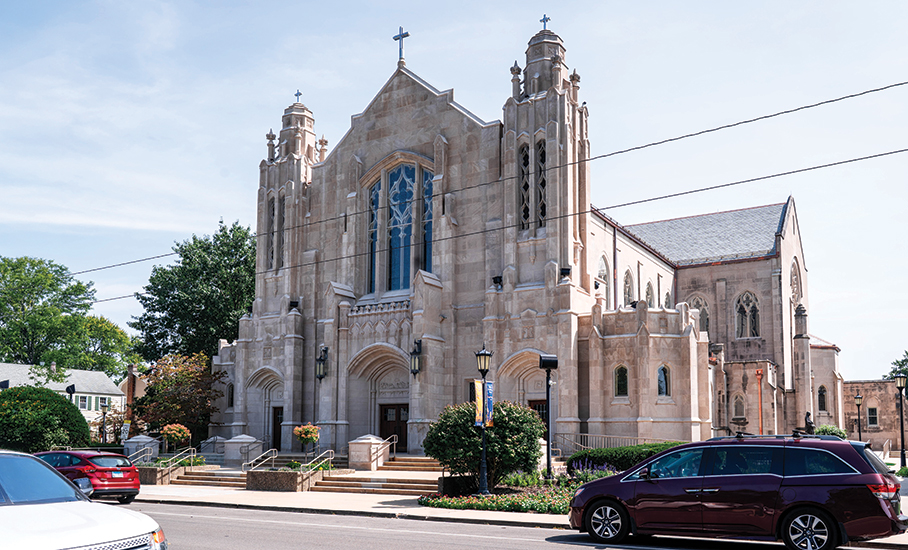
To that end, NRCA continues to work alongside other organizations that have a vested interest in making it easier for U.S. citizens to purchase homes or afford rent. For example, earlier this year, NRCA partnered with the Real Estate Roundtable to endorse H.R. 2410, the Revitalizing Downtowns and Main Streets Act. This bipartisan bill would provide a federal tax credit to facilitate the conversion of older, underutilized office and other commercial buildings into residential housing.
In addition, NRCA recently joined the Neighborhood Homes Coalition, which is made up of more than 50 national organizations, including housing and community development nonprofits, financial institutions and related trade associations, to advocate for the passage of H.R. 2854/S. 1686, the Neighborhood Homes Investment Act. This bipartisan, bicameral legislation would create a federal tax credit that covers the cost between building or renovating a home in qualifying urban and rural areas and the price at which the home can be sold.
NRCA also showed its commitment to affordable housing on the roofing industry’s biggest advocacy stage. For the first time, Roofing Day in D.C. featured affordable housing as one of the advocacy issues discussed with members of Congress and their staffs. Nearly 200 attendees from 33 states engaged with more than 155 congressional offices to advocate about this critical issue, and they specifically requested support for H.R. 2410 and H.R. 2854/S. 1686. Advocating for these tax incentives enabled attendees to highlight the role the roofing industry plays in facilitating more affordable housing for all Americans.
NRCA has long understood the importance of having an abundance of safe, accessible housing
What has been done
After months of back-and-forth negotiations, Congress took a major first step in June by giving overwhelming final approval to the most significant bipartisan housing policy bill in decades: the 21st Century ROAD to Housing Act. The 381-page legislation, which became public law one month later, contained nearly 60 individual pieces of legislation to address the nation’s housing affordability crisis
Main tenets of the bill included requiring the Department of Housing and Urban Development to issue best practices regarding zoning and design for cities and states; expanding existing affordable housing programs; easing regulations for development and construction; banning large institutional investors from buying single-family homes; and relaxing some regulations for community banks to free up more capital to increase mortgage lending.
Since the law’s enactment, NRCA has been reviewing the comprehensive housing package to determine its overall effect on the roofing industry. Information will be shared with members accordingly as federal agencies implement this landmark bill.
What you can do
Affordability is the issue that will drive voters to the polls in a few short months. During this time, members of Congress need to hear from their constituents about the importance of continuing to address the housing crisis. Congress must enact commonsense measures to incentivize the conversion of vacant or underutilized commercial property and the construction and upgrading of residential homes across the U.S.
Please take a moment to contact your federally elected officials and request their co-sponsorship of the Revitalizing Downtowns and Main Streets Act and the Neighborhood Homes Investment Act. You can directly email your elected officials through NRCA’s grassroots webpage at roofingadvocacy.nrca.net/actionalerts. Please note you must be logged in to access the webpage.
Since 1886, NRCA has been the home for generations of entrepreneurial craftsmen and enterprises who shelter and protect America’s families. The organization is one of the construction industry’s most respected trade associations and leading authority in the roofing industry for information, education, technology and advocacy. NRCA and its members have subsequently earned a deep respect from lawmakers on both sides of the aisle. Roofing has a great story to tell and finds itself in an excellent position to help continue to shape the next great public policy effort in Washington D.C.

BRAD STINE
Director of federal affairs
NRCA Washington, D.C.