CPWR conducts prevention survey

CPWR—The Center for Construction Research and Training is conducting a research study to improve illness prevention and better protect construction workers.
The study includes a short survey for roofing professionals. To take the survey, visit cpwr.az1.qualtrics.com.
As part of the research study, CPWR is also looking for companies to invite CPWR researchers to their worksites to observe the protections the companies already have in place. For more information, contact Gavin West, project director for CPWR, at (301) 495-8522 or gwest@cpwr.com.
OSHA promotes safety
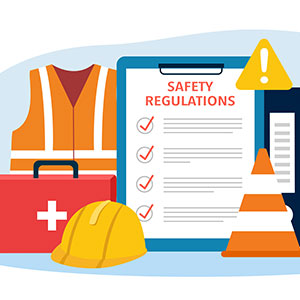
Talking to workers is a crucial part of finding and fixing hazards, according to the Occupational Safety and Health Administration. However, if you truly want to improve workplace safety, it is important the conversations are effective, according to Safety + Health magazine.
OSHA promotes the following “COIN” method when having safety conversations:
- Connect with workers. Work to establish common ground by asking questions such as, “Can we agree we both care about safety?” or “My family expects me to work safely so I come home in one piece. Do you have a family?”
- Observe. Be specific when acknowledging unsafe behaviors being observed. For example, point out when a worker is not wearing eye protection and ask why.
- Impact. Explain the consequences of unsafe actions to workers. For example, if a worker is not wearing eye protection, you could say: “You could get something in your eye and need to go to the emergency room.”
- Next steps. Create an action plan with workers to help them change unsafe behaviors. Why is a worker not wearing eye protection? Is it the fit or comfort level? Once you learn why, discuss the steps that should be taken to improve safety, such as finding a type of eyewear that fits better.
Construction waste simplified

The Occupational Safety and Health Administration has updated and extended its National Emphasis Program regarding heat hazards for U.S. workplaces. Previously scheduled to expire on April 8, OSHA issued an updated NEP effective immediately that will be in place for five years after the effective date.
The NEP offers resources and guidance to employers while outlining how the agency addresses heat as a hazard, including enforcement actions when temperatures rise. The NEP highlights construction as among those industries at high-risk for heat injury and illness.
OSHA compliance officers will continue to conduct outreach and compliance assistance programs and expand any inspection where there is evidence of heat hazards on heat priority days or when the heat index is expected to be 80 F or hotter. Additionally, compliance officers will conduct random inspections for high-risk industries on those days.
The updated NEP comes with extra appendices that outline the changes and formalizes procedures previously addressed through informal guidance. Fundamentals of protecting workers remain the same.
The appendices explain how OSHA inspectors can evaluate an employer’s heat-illness prevention program during an inspection. The new NEP is not an official OSHA rule, but it is useful for employers to allow for safe heat compliance and prevention.
For more information about the NEP, visit osha.gov.